


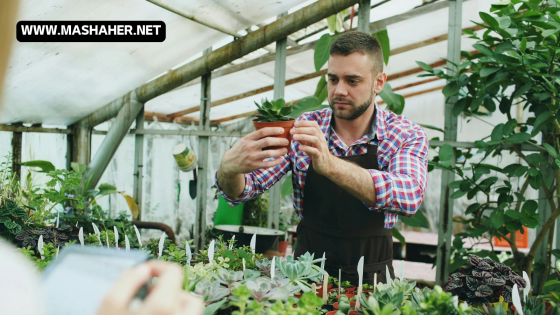
In an era where sustainability and wellness have moved to the forefront of our daily lives, home gardening has transitioned from a niche hobby to a global movement. Whether you live in a sprawling rural estate or a compact urban apartment, the ability to cultivate your own food is a transformative skill. Home gardening offers more than just fresh produce; it provides mental clarity, reduces your carbon footprint, and ensures that the food on your table is free from harmful pesticides.
However, for many beginners, the transition from “plant enthusiast” to “successful gardener” can feel daunting. The secret to success lies in choosing the right crops—those that are resilient, fast-growing, and adaptable to various environments. This comprehensive guide explores the best home gardening options for beginners, providing a deep dive into soil health, light requirements, and maintenance strategies to ensure a bountiful harvest.
1. Why Start a Home Garden? More Than Just Fresh Food
Before we dig into the “what,” let’s understand the “why.” Understanding the benefits will keep you motivated when the first weeds appear.
Nutritional Superiority: Vegetables begin to lose nutrients the moment they are harvested. Eating a tomato straight from the vine means you are consuming the maximum levels of Vitamin C and antioxidants.
Cost-Effectiveness: While there is a small upfront investment in soil and seeds, a single $3 packet of lettuce seeds can provide dozens of salads throughout the season.
Environmental Impact: Home gardening eliminates “food miles”—the fuel spent transporting produce from industrial farms to grocery stores.
Mental Health: Studies show that “horticultural therapy” reduces cortisol levels (the stress hormone) and improves focus.
2. Top 5 Easiest Herbs for Indoor and Outdoor Success
Herbs are the perfect “gateway drug” for gardening. They require minimal space, can often grow on a sunny windowsill, and offer immediate culinary rewards.
A. Mint: The Invincible Herb
Mint is legendary for its hardiness. In fact, it grows so vigorously that it is often recommended to grow it in containers to prevent it from taking over the entire garden.
Best For: Tea, cocktails, and Mediterranean salads.
Light: Partial shade to full sun.
Pro Tip: Harvest from the top to encourage the plant to grow bushier rather than taller.
B. Basil: The King of Herbs
Basil is a warm-weather favorite that pairs perfectly with tomatoes. It thrives in heat but requires consistent moisture.
Variety Recommendation: Genovese Basil for pesto or Thai Basil for spicy dishes.
Light: At least 6–8 hours of direct sunlight.
Maintenance: Always pinch off the flowers (bolting) to keep the leaves flavorful.
C. Rosemary: The Low-Maintenance Perennial
Rosemary is a woody perennial, meaning once it is established, it will live for years with very little help. It is highly drought-tolerant.
Soil: Needs well-draining, slightly sandy soil.
Benefit: Its scent acts as a natural deterrent for certain garden pests.
D. Chives: The Beginner’s Best Friend
Chives are incredibly resilient and can survive frost. They grow in clumps and provide a mild onion flavor to any dish.
Harvesting: Snip with scissors about two inches above the soil line.
E. Parsley: The Slow and Steady Winner
While it takes a bit longer to germinate, parsley is a powerhouse of iron and vitamins. It is a biennial plant, often lasting two seasons.
3. The Best Easy-to-Grow Vegetables
If you’re looking for a substantial harvest, these vegetables are known for their high success rates among novices.
A. Radishes: The 30-Day Wonder
If you want instant gratification, radishes are for you. Some varieties can be harvested just 22 to 30 days after planting the seeds.
Why they are easy: They suffer from very few diseases and grow in almost any soil type.
Space: They require very little depth, making them ideal for shallow containers.
B. Leafy Greens (Lettuce and Spinach)
Supermarket lettuce is often bland and treated with preservatives. Homegrown greens are crisp and vibrant.
The “Cut and Come Again” Method: Instead of harvesting the whole head, snip only the outer leaves. The plant will continue to produce new growth from the center.
Temperature: These prefer cooler weather (Spring and Fall).
C. Cherry Tomatoes: Prolific and Sweet
While large beefsteak tomatoes can be finicky, cherry tomatoes are usually “set it and forget it” plants.
Growth Habit: “Determinate” varieties stay small and bushy (perfect for pots), while “Indeterminate” varieties climb high and need a trellis.
Flavor Tip: Water consistently. Drastic changes in soil moisture can cause the skins to crack.
D. Zucchini (Summer Squash)
One or two zucchini plants are often enough to feed a whole family. They are famous for their massive yields.
Warning: They need space. One plant can easily span three to four feet in diameter.
Pollination: If you don’t see fruit, you might need to “hand pollinate” by touching the male flowers to the female flowers.
E. Green Beans
Beans are excellent for soil health because they “fix” nitrogen, making the earth richer for the next crop.
Bush Beans: Fast-growing and don’t need support.
Pole Beans: Need a fence or pole but produce more fruit over a longer period.
4. Advanced Home Gardening: Microgreens and Sprouts
For those with zero outdoor space or very little light, microgreens are a revolutionary option. These are simply young vegetable greens harvested just after the first leaves (cotyledons) have developed.
Nutrient Density: Microgreens contain up to 40 times more nutrients than their mature counterparts.
Setup: A shallow tray, a little potting mix, and a sunny window.
Harvest: 7–14 days.
5. Critical Success Factors: The “Big Three”
Even the easiest plants will struggle if you ignore the fundamentals of biology.
I. The Magic of Soil Health
Stop thinking about “dirt” and start thinking about “living soil.”
Potting Mix vs. Garden Soil: Never use backyard dirt in containers; it is too heavy and will suffocate the roots. Use a high-quality potting mix containing peat moss or coconut coir, perlite (for drainage), and compost.
Fertilization: Vegetables are “heavy feeders.” Use an organic N-P-K (Nitrogen, Phosphorus, Potassium) fertilizer every two weeks during the growing season.
II. Lighting Requirements
Full Sun: Most vegetables need at least 6–8 hours of direct sun.
Partial Shade: Leafy greens and some herbs can survive on 3–5 hours of light.
Direction: In the northern hemisphere, south-facing windows or garden beds receive the most consistent light.
III. Strategic Watering
More plants die from overwatering than underwatering.
The Finger Test: Stick your finger two inches into the soil. If it feels dry, water. If it’s damp, wait.
Timing: Always water in the early morning. This allows the leaves to dry, preventing fungal diseases like powdery mildew.
6. Troubleshooting Common Gardening Problems
Even the best gardeners face challenges. Here is how to handle them professionally:
| Problem | Cause | Solution |
| Yellowing Leaves | Nitrogen deficiency or overwatering | Check soil moisture; add compost tea. |
| Holes in Leaves | Slugs or Cabbage worms | Use neem oil or hand-pick pests at night. |
| Long, Thin Stems | Lack of light (Leggy) | Move to a sunnier spot or add a grow light. |
| Dropping Flowers | Heat stress or poor pollination | Provide shade during noon; attract bees. |
7. Designing Your Garden Space
As a visual person, you will appreciate that a garden can be an aesthetic masterpiece as well as a functional one.
Vertical Gardening: Use pallets, trellises, or hanging baskets to grow upwards. This is essential for urban balconies.
Companion Planting: Plant Marigolds with your tomatoes. The flowers attract pollinators and repel nematodes. Plant Basil with tomatoes to improve the tomato’s flavor.
Container Aesthetics: Use terracotta for breathability or colorful glazed ceramic for water retention.
8. Your Journey Starts with One Seed
Home gardening is a journey of patience and observation. It connects us to the cycles of nature and provides a sense of accomplishment that few other hobbies can match. By starting with easy-to-grow crops like mint, radishes, and cherry tomatoes, you build the confidence needed to tackle more complex gardening projects in the future.
Don’t be afraid of failure. Every dead plant is a lesson in soil science or meteorology. Start small—perhaps just three pots on a windowsill—and watch as your thumb turns greener with every passing season.
Summary Checklist for Beginners:
Choose a spot with at least 6 hours of sun.
Buy high-quality potting soil (not cheap “fill dirt”).
Start with “transplants” (small plants) rather than seeds for faster results.
Water at the base of the plant, not the leaves.
Enjoy the literal fruits of your labor!