


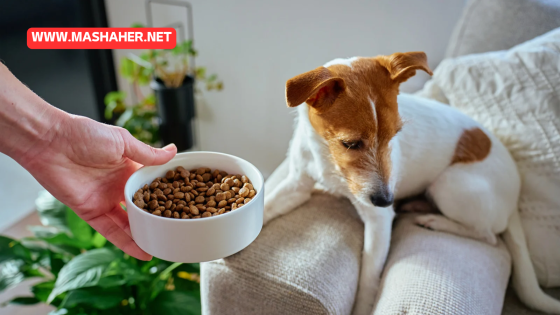
As pet owners become increasingly conscious of the ingredients in commercial kibble, the shift toward homemade dog and cat food has gained significant momentum. Preparing meals at home allows you to control the quality of proteins, eliminate artificial preservatives, and tailor the diet to your pet’s specific health needs.
However, transitioning to a DIY diet requires more than just cooking meat; it demands a deep understanding of feline and canine nutrition. This guide provides a comprehensive breakdown of the best ingredients, safe preparation methods, and vet-approved tips to ensure your furry friends thrive.
1. Understanding the Biological Differences: Dogs vs. Cats
Before you start cooking, it is crucial to recognize that dogs and cats have fundamentally different nutritional requirements.
The Canine Diet: Facultative Omnivores
Dogs are adaptable. While they thrive on animal protein, their digestive systems can also process carbohydrates and fiber from vegetables and grains. A balanced dog meal typically consists of:
Protein: 40%–50%
Vegetables/Fiber: 30%
Carbohydrates: 20%–30%
The Feline Diet: Obligate Carnivores
Cats are strictly meat-eaters. They require specific amino acids, such as Taurine, which are only found in animal tissues. A cat’s diet must be high-protein and low-carb:
Protein: 70%–80%
Fats: 15%–20%
Carbohydrates: 0%–5% (Minimal)
2. The “Green List”: Best Ingredients for Homemade Pet Food
To create a high-quality meal, focus on whole, unprocessed ingredients that provide essential vitamins and minerals.
High-Quality Proteins
Chicken and Turkey: Lean, easily digestible, and rich in essential amino acids. (Always remove skin and bones).
Beef: An excellent source of iron and zinc. Use lean cuts to avoid digestive upset.
Fish (Salmon or Sardines): Packed with Omega-3 fatty acids for skin and coat health. (Limit fish for cats to twice a week to avoid mercury buildup).
Eggs: One of the most bioavailable protein sources for both dogs and cats.
Safe Vegetables (Mostly for Dogs)
Carrots: Great for beta-carotene and dental health.
Sweet Potatoes: Provides healthy fiber and Vitamin A.
Green Beans: Low-calorie fillers for pets prone to weight gain.
Spinach: Rich in iron, but should be served in moderation.
Healthy Fats and Grains
Brown Rice and Quinoa: Excellent for energy and digestion.
Pumpkin: A “superfood” for digestion, helping with both diarrhea and constipation.
Coconut Oil: Beneficial for skin health and metabolic function.
3. The “Red List”: Toxic Foods You Must Avoid
Some human foods are lethally toxic to pets. Never include the following in your homemade recipes:
Onions and Garlic: These can destroy red blood cells in both cats and dogs.
Grapes and Raisins: Can cause acute kidney failure.
Chocolate and Caffeine: Highly toxic to the nervous system and heart.
Xylitol: An artificial sweetener (found in some peanut butters) that causes fatal liver failure.
Cooked Bones: These can splinter and puncture the digestive tract.
Macadamia Nuts: Causes weakness, vomiting, and tremors.
4. Sample Recipes: Nutritious Homemade Meals
For Dogs: The “Healthy Harvest” Beef & Rice Bowl
Ingredients:
1 lb Ground Beef (90% lean)
1.5 cups Brown Rice (cooked)
1 cup Shredded Carrots
1/2 cup Peas
1 tbsp Coconut Oil
Preparation:
Brown the beef in a large skillet until fully cooked. Drain excess fat.
Mix in the cooked brown rice, carrots, and peas.
Add the coconut oil and stir until well combined.
Let it cool completely before serving.
For Cats: The “Pure Protein” Chicken & Liver Medley
Ingredients:
1 lb Chicken Breast (boneless, skinless)
2 oz Chicken Liver (rich in Vitamin A and Taurine)
1/4 cup Chicken Broth (low sodium, no onions)
1/2 tsp Fish Oil
Preparation:
Poach the chicken breast and liver in water until tender.
Finely chop or pulse in a food processor for a “pate” texture.
Stir in the broth and fish oil to add moisture and healthy fats.
Serve in small portions.
5. Crucial Tips for Long-Term Success
I. Supplementation is Non-Negotiable
Even the best homemade meals often lack specific micronutrients like Calcium, Zinc, and Taurine. Consult your veterinarian to find a high-quality multivitamin powder specifically designed for homemade diets. Calcium is especially important if you are not feeding raw meaty bones.
II. Monitor the Caloric Intake
Home-cooked food is more calorie-dense than kibble. Use a kitchen scale to weigh portions based on your pet’s ideal weight to prevent obesity.
III. The 10% Rule for Treats
If you give your pets treats throughout the day, ensure they do not exceed 10% of their total daily caloric intake. Use pieces of boiled chicken or blueberries as healthy alternatives.
6. How to Transition from Kibble to Homemade Food
Sudden dietary changes can cause severe stomach upset. Follow this 7-day transition plan:
Days 1–2: 25% Homemade, 75% Commercial.
Days 3–4: 50% Homemade, 50% Commercial.
Days 5–6: 75% Homemade, 25% Commercial.
Day 7: 100% Homemade.
A Healthier Life for Your Pet
Switching to the best homemade dog and cat food is a rewarding commitment that can lead to increased energy, a shinier coat, and a longer life for your pets. By focusing on fresh, high-quality proteins and avoiding toxic additives, you are providing the highest form of care for your animal companions. Always remember to perform regular vet checkups to ensure your customized diet remains balanced as your pet ages.